The age of oil shaped alliances, wars and economic fortunes. The age of minerals will shape them just as profoundly, but in ways less visible and more technologically embedded, writes Arthur Sterling
The global energy transition is often framed as technological destiny. Solar panels replacing coal, electric vehicles displacing petrol engines, artificial intelligence optimising energy systems. But beneath that narrative lies a harder truth. The shift away from hydrocarbons is not dissolving geopolitics, it is rearranging it.
The contest over lithium, cobalt and rare earth elements is reshaping alliances, industrial strategy and national security planning. The green revolution is not post-geopolitical, it is mineral-intensive and increasingly strategic.
The scale alone explains the urgency. The International Energy Agency projects that demand for critical minerals used in clean energy technologies could quadruple by 2040 under net-zero pathways. Lithium demand alone may increase more than forty times compared to 2020 levels. The World Bank estimates that production of graphite, lithium and cobalt may need to expand by nearly 500 percent by mid-century to meet global climate targets.
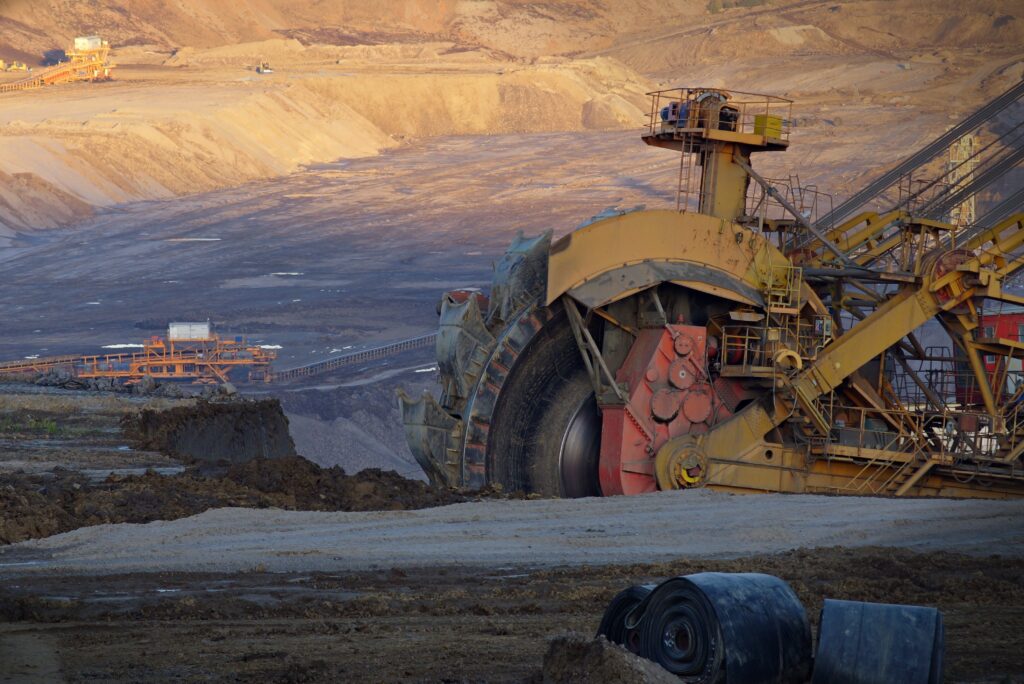
Fatih Birol, Executive Director of the International Energy Agency and one of the world’s most influential energy economists has warned bluntly: “Today’s supply and investment plans for many critical minerals are far from what is needed to support a rapid and secure energy transition.” The operative word is secure. Security, not just sustainability, is now driving mineral policy.
Chokepoint is processing, not extraction
For decades, global supply chains were built on cost efficiency. Refining capacity migrated to wherever environmental rules were looser and labour cheaper. The result is a concentration that now looks strategically hazardous.
The Council on Foreign Relations, the New York-based foreign policy think tank, has observed that “today’s critical minerals supply chain chokepoints are not in mining, they are in refining and processing.” That distinction is decisive. Mining provides raw material. Processing creates strategic leverage.
China refines roughly 90 percent of global rare earth elements and holds dominant shares in lithium, cobalt and graphite processing. Foremer Chinese leader Deng Xiaoping’s remark, “The Middle East has oil, China has rare earths” was not rhetorical flourish. It reflected a long-term industrial vision.
Michael Barnard, an energy systems analyst and contributor to BloombergNEF and CleanTechnica, has argued that China’s dominance “is not accidental. It is the result of decades of deliberate strategic industrial policy.” Through subsidies, export management, overseas acquisitions and integration with battery manufacturing, Beijing embedded mineral processing within a broader industrial ecosystem.
Economic security
In Washington and Brussels, the language has shifted from free markets to resilience.
Janet Yellen, who served as US Treasury Secretary under Biden adminstration and previously chaired the Federal Reserve, argued that the United States must build “resilient supply chains that are not overly dependent on any single country.” Her comments reflected a wider rethinking of economic interdependence.
Kristalina Georgieva, Managing Director of the International Monetary Fund and former CEO of the World Bank, has warned that geoeconomic fragmentation, including the breakdown of strategic trade networks, could reduce global GDP by up to 7 percent. Fragmented mineral supply chains could raise costs for everyone, including countries attempting to decarbonise.
Global South’s dilemma
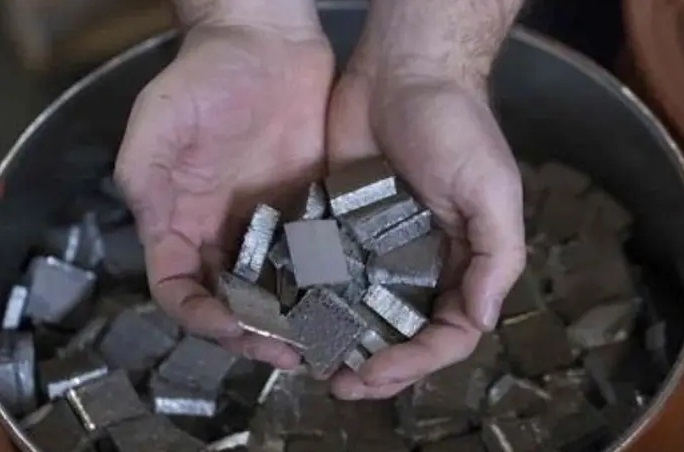
While processing power is concentrated in East Asia, extraction is geographically dispersed.
The Democratic Republic of Congo supplies roughly 70 percent of the world’s cobalt. Latin America’s lithium triangle – Argentina, Chile and Bolivia – contains more than half of global lithium reserves.
These regions are no longer passive suppliers. Chilean President Gabriel Boric has called for greater state participation in lithium production, arguing that natural resources must drive long-term national development rather than external extraction.
Namibia and Zimbabwe have restricted exports of unprocessed lithium ore, seeking to build domestic beneficiation industries. Indonesia has used nickel export bans to compel foreign investment in local refining.
Ngozi Okonjo-Iweala, Director-General of the World Trade Organisation, has warned that escalating export restrictions risk global trade fragmentation. “If we begin to close markets and fragment trade, everyone loses,” she has said. Yet producer nations argue that open markets historically benefited importers more than extractors.
Indian Prime Minister Narendra Modi has framed the issue in even starker terms. “The ones who have them, if they don’t see that as a global responsibility, then this will promote a new model of colonialism.” His warning reflects a broader Global South concern that the green transition must not replicate the asymmetries of fossil fuel dependency.
The environmental paradox
The mineral race carries environmental contradictions that policymakers often understate.
Dr Saleem H. Ali, Professor of Geography and Spatial Sciences at the University of Delaware and Chair of the United Nations International Resource Panel’s expert advisory group on mineral sustainability, has argued: “The clean energy transition will not be clean unless the mining that supports it is environmentally responsible.” Lithium brine extraction in the Andes consumes vast quantities of water. Cobalt mining has raised labour and governance concerns. Rare earth processing can produce toxic by-products.
The United Nations Environment Programme has warned that scaling mineral production without biodiversity safeguards risks undermining climate gains with ecological losses. In other words, decarbonisation is mineral-dependent, but mineral extraction is environmentally disruptive.
This is the energy transition’s central contradiction.
AI and new strategic layer
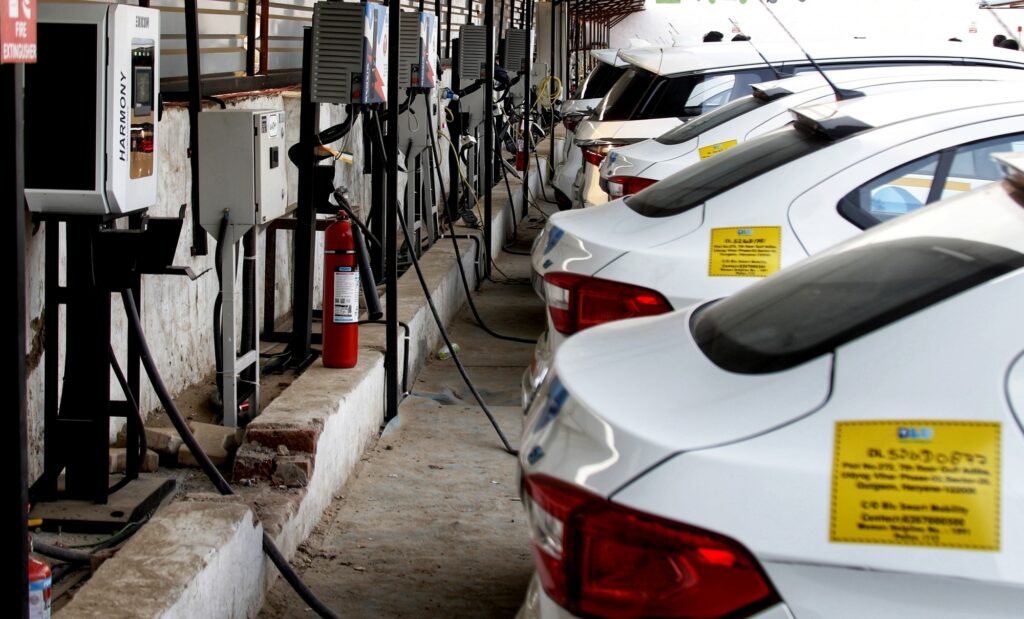
Critical minerals are no longer confined to the climate debate. Artificial intelligence infrastructure is deeply mineral-intensive. Advanced semiconductors require gallium and germanium. High-performance magnets depend on rare earths. Expanding data centres demand copper and specialised alloys.
Ursula von der Leyen, President of the European Commission, has warned that overdependence on external suppliers creates “strategic vulnerabilities” in critical sectors. That vulnerability now spans renewable energy, defence systems and AI infrastructure simultaneously.
The convergence of these sectors magnifies risk. A disruption in rare earth exports does not simply delay wind turbine production; it reverberates across defence contractors and semiconductor fabs.
Risk multiplier without governance
The promise of the green transition was liberation, from oil shocks, from geopolitical coercion, from carbon dependency. But without diversified supply chains and cooperative governance, the mineral era may entrench new forms of strategic leverage.
Fatih Birol has stated that “no country should rely on one single country for critical minerals.” Yet the current system remains heavily concentrated.
The age of oil shaped alliances, wars and economic fortunes. The age of minerals will shape them just as profoundly, but in ways less visible and more technologically embedded.
Lithium brines in Chile, cobalt deposits in the Congo and rare earth refineries in East Asia are now as geopolitically significant as the Strait of Hormuz. The difference is that these dependencies are built into batteries, turbines and processors, harder to see, but no less strategic.
The green transition is real. The mineral race is real. The question is whether governance will catch up with geology.