As populations age in the West and youth booms in Asia and Africa, global economies face unprecedented opportunities and risks. Demography is shifting consumption, investment, and power across the planet, writes Arthur Sterling
Demography rarely makes front-page headlines. Elections, trade wars, and conflicts dominate news cycles. Yet quietly, population changes are reshaping economies, markets, and even global power. Some parts of the world are ageing at unprecedented speed. Others are booming with young people. And this split is not just a statistic, it’s a structural shift with real consequences for business, politics, and international relations.
Dr Homi Kharas, Senior Fellow at the Brookings Institution, warns: “By 2030, most of the world’s middle-class consumers will live in Asia.” That’s more than a demographic observation. It’s a warning. The centre of economic gravity is moving, and with it, influence, investment, and corporate strategy.
Ageing societies
Europe, Japan, and North America are ageing faster than any region in modern history. According to the United Nations World Population Prospects, more than one in four people in Europe and Northern America will be over 65 by 2050. Japan already has nearly 30% of its population in that age bracket. Fertility rates remain low, life expectancy is rising, and the working population is shrinking.
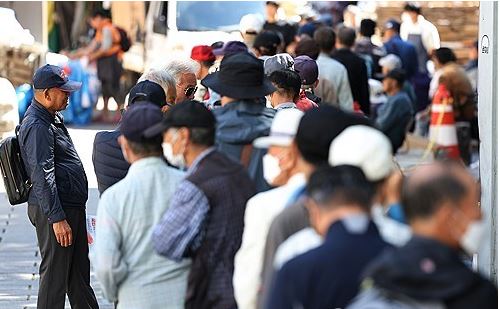
Professor Sarah Harper, Director of the Oxford Institute of Population Ageing, says: “Longevity is one of humanity’s greatest achievements. But it requires rethinking how we design labour markets, savings systems, and consumer industries.” Ageing isn’t simply a fiscal problem, it’s a profound economic redesign challenge.
Older populations spend differently. They buy fewer cars, homes, or school supplies, but more healthcare, assisted living services, travel, and wellness products. Cities are responding with age-friendly apartments, retirement communities, and home adaptations.
Robotics firms in Japan are creating elder-care assistants, while biotech companies race to address chronic age-related illnesses. The so-called “silver economy” is no longer a niche concept; it is an economic megatrend.
Yet the downside is stark. Fewer workers supporting more retirees can slow growth and raise public debt. Beata Javorcik, Chief Economist at the European Bank for Reconstruction and Development, warns: “Already today, demography is eroding growth in living standards, and it will be a headwind for GDP growth in the future.” The risk is that ageing becomes a drag if policy reforms fail to adapt pensions, labour laws, and retirement systems.
Youthful economies
On the other side of the world, Africa and South Asia are young and growing. Sub-Saharan Africa’s median age is under 20, and South Asia adds millions of working-age people every year. The World Bank calls this a “demographic dividend”, a window in which growth can accelerate if jobs, education, and governance systems keep up.
Dr Ngozi Okonjo-Iweala, Director-General of the World Trade Organisation, emphasises the stakes: “Africa’s young people are not a problem to be solved, they are an asset to be invested in.” But th potential is fragile. Without the right policies, youth can become a source of political instability, unemployment, and migration pressure.
Young consumers behave differently. Demand rises first for education, smartphones, transport, and digital services. India and Indonesia, for example, have leapfrogged traditional banking infrastructure with fintech, mobile payments, and e-commerce. The McKinsey Global Institute projects that emerging markets could account for more than half of global consumption growth by 2030, a structural shift in global economic power.
Emerging middle class
The rise of the middle class in emerging markets is the most transformative story of all.
Organisation for Economic Co-operation and Development (OECD) estimates that more than a billion people could join the global middle class by 2030, mostly in Asia. When people earn more, they stop spending only on necessities and start spending on lifestyle choices like travel, tech, and health.
Kharas adds: “This is not just about spending power; it is about shaping global supply chains, corporate strategy, and trade patterns for decades.” Companies that once relied heavily on North America and Europe now derive growing revenue from Asia and Africa. The movement of consumption is subtly redrawing economic influence.
This is also political. As the consumer base migrates east and south, influence follows. Markets now drive investment decisions, corporate lobbying, and even trade diplomacy. Countries that fail to align policy with demographic opportunity risk being left behind.
Bridging old and young worlds
Ageing societies accumulate savings, youthful societies need investment. Pension funds, sovereign wealth funds, and development banks channel money from Tokyo, Frankfurt, and New York into Nairobi, Mumbai, and Jakarta.
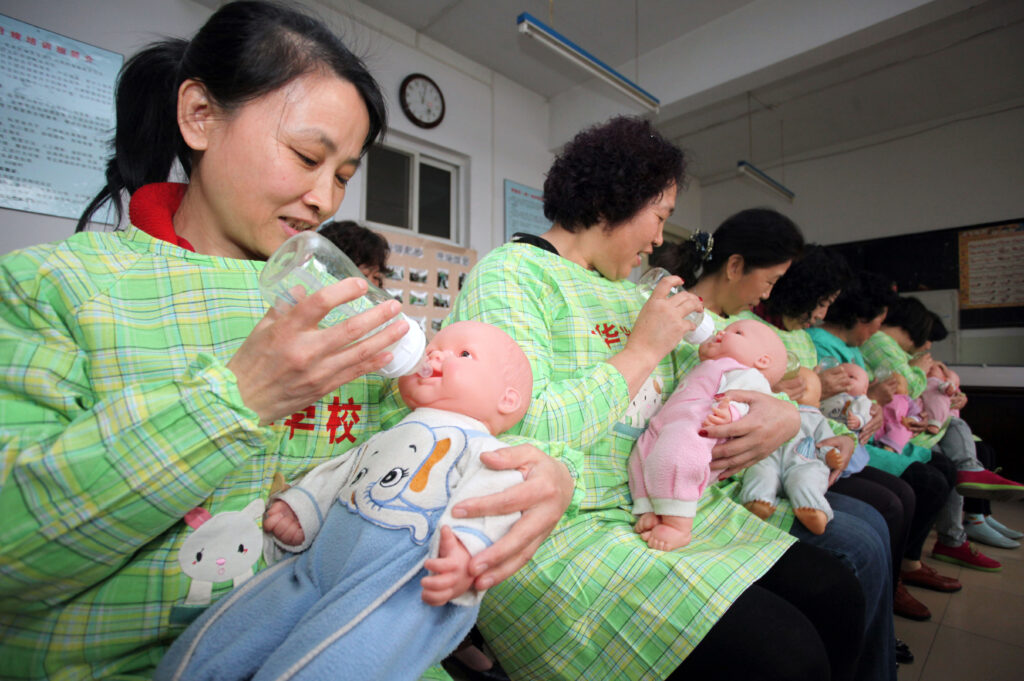
Christine Lagarde, President of the European Central Bank, calls demographic change “a slow-burning fuse for economic growth,” shaping labour supply, inflation, and monetary policy. But this system is fragile: protectionism, migration barriers, or geopolitical friction could disrupt these flows, turning opportunity into crisis.
The lesson is that money alone cannot translate demographics into growth. Structural policy,that is education, infrastructure, governance, and innovation, is essential to make the demographic dividend real.
Demography doesn’t decide destiny
Both ageing and youthful economies face pressure, just in different ways. Advanced societies must tackle healthcare, pensions, and labour shortages. Young regions must create jobs, expand education, and build infrastructure. The outcome depends not on population statistics, but on leadership and strategy.
Ageing is not automatically decline. Youth is not automatically prosperity. Countries and companies that understand both realities, and act decisively, will thrive.