Even though there are hopeful advancements, research by the World Economic Forum highlights a paradox. Women across the world represent a major proportion of university graduates, but their presence remains limited in senior leadership roles…writes Esther Greenwood
Forget the seat at the table; women from all over the world are now the ones designing the room, drafting the blueprints and setting a new pace in the world market. It’s not just a shift in representation, but a fundamental upgrade in how success is measured. In the high-stakes worlds of trade and entrepreneurship, female leadership is truly an engine of economic resilience, replacing old standards with new ones.
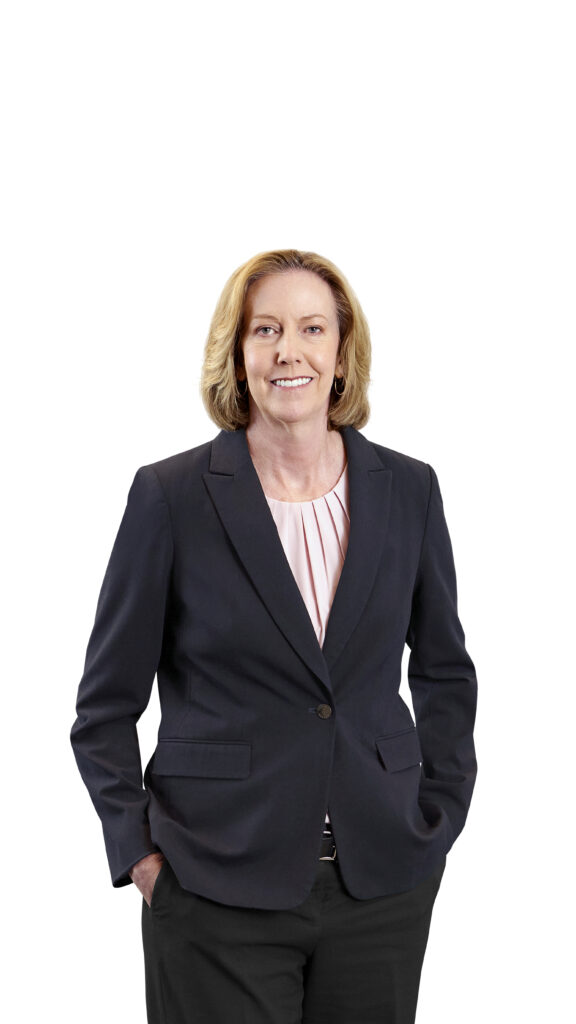
Women’s presence in executive leadership and business roles is rising steadily across the global landscape. In major economies, the number of women appointed to senior positions continues to grow across different sectors. Oil giant BP recently named Meg O’Neill as its next CEO, an example of one of the rare appointments of a woman to lead a global energy company. Even though women still hold a minority of senior leadership roles globally, data and surveys show incremental progress in leadership representation. Fortune Global 500 data for 2025 reports women hold 28.9% of board directorships and 21.1% of executive officer positions in the world’s largest companies. The FTSE Women Leaders Review (UK, 2025) also shows that women occupy 43% of board seats across FTSE 350 companies.
With the growth of digital export initiatives, women-led enterprises are increasingly tapping into international markets and expanding beyond borders. Such women-centred businesses have shown positive results as well. The WTO’s USD 50 million Women Exporters in the Digital Economy (WEIDE) Fund is one initiative that aims to improve access to such markets by providing financial and training support, helping them engage in cross-border endeavours.
When it comes to London, despite headline improvements in boardroom representation, female appointments in UK financial services have fallen sharply in recent years. In effect, this directly influences global capital flows, regulation and investment norms. A higher level of gender representation consistently improves decision-making quality and organisational resilience. The UK’s Women in Finance Charter focuses on gender diversity and annual progress reporting. Firms like Morgan Stanley UK report notable gains through such charter commitments. Dame Julia Hoggett, CEO of the London Stock Exchange, is one of the women who has shaped London’s financial landscape. Having received the ‘Freedom of the City’, she was also named among the FT’s most influential women of 2024. Alexandra MacMahon is another example, recently appointed as the new country manager for ING’s wholesale business in the UK.
No list would be complete without the name Ursula von der Leyen, President of the European Commission. Similarly, Citigroup head Jane Fraser is the first woman to hold that post at one of the world’s largest financial institutions. Women like them are at the helm of some of the world’s most influential positions, shaping policies on the climate crisis, digital transformation and political stability.
Access to capital and the funding gap remain major issues women face in this sector. Only 2–3% of venture capital goes to all-women founding teams. They are also less likely to secure bank loans. Very few initiatives exist to bridge this gap by providing mentorship and support to prepare them for scalable investment. In several countries, policymakers are trying to embed gender inclusion targets into public capital programmes. The UK’s £500m investment package is specifically intended for women-focused venture funds.
Participation of women in trade diplomacy and finance negotiations has enhanced perspectives in these sectors, especially in agreements that create jobs or promote gender-responsive standards. Gender diversity in the modern era is not just a social issue, but is measured as an ESG (environmental, social, governance) factor. For example, research by McKinsey shows that companies with greater female representation at all levels, especially in senior positions, tend to deliver better profitability and higher ESG scores. Both the IMF and the World Bank have made estimates regarding the potential impact of closing gender gaps and the improvements that could follow. According to the IMF, closing gender disparities and increasing labour force participation and employment could raise GDP by a significant percentage. Greater inclusion increases productivity and creates a multiplier effect across many economies.
Here lies the answer to why diversity is linked to resilience and innovation. Many studies show that gender-diverse leadership teams are associated with stronger cohesion and improved innovation outcomes. Companies with more women, especially in senior roles, produce better results because of varied perspectives. Such firms are better positioned to adapt to market shifts and risk situations, particularly across different economic cycles.
Economist and former Minister of Foreign Affairs of Nigeria, Ngozi Okonjo-Iweala, once said, “We must create ladders of opportunity that allow the next generation to climb higher than we did.” If representation points toward progress and mentorship assures permanence, these elements together promise a gender-friendly future with greater economic stability, creating opportunities for the next generation of women.
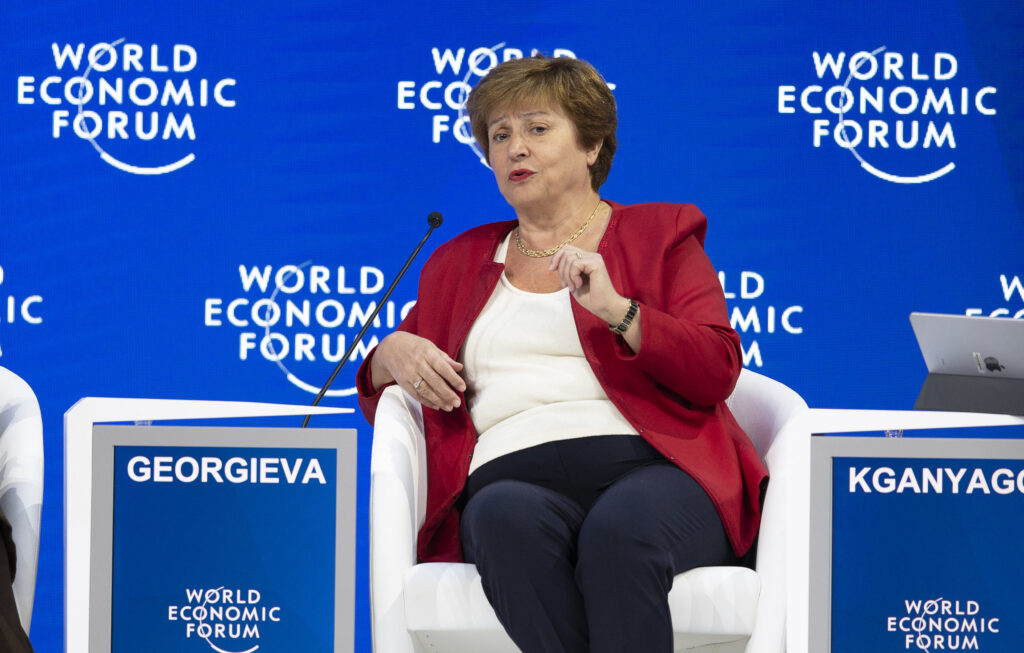
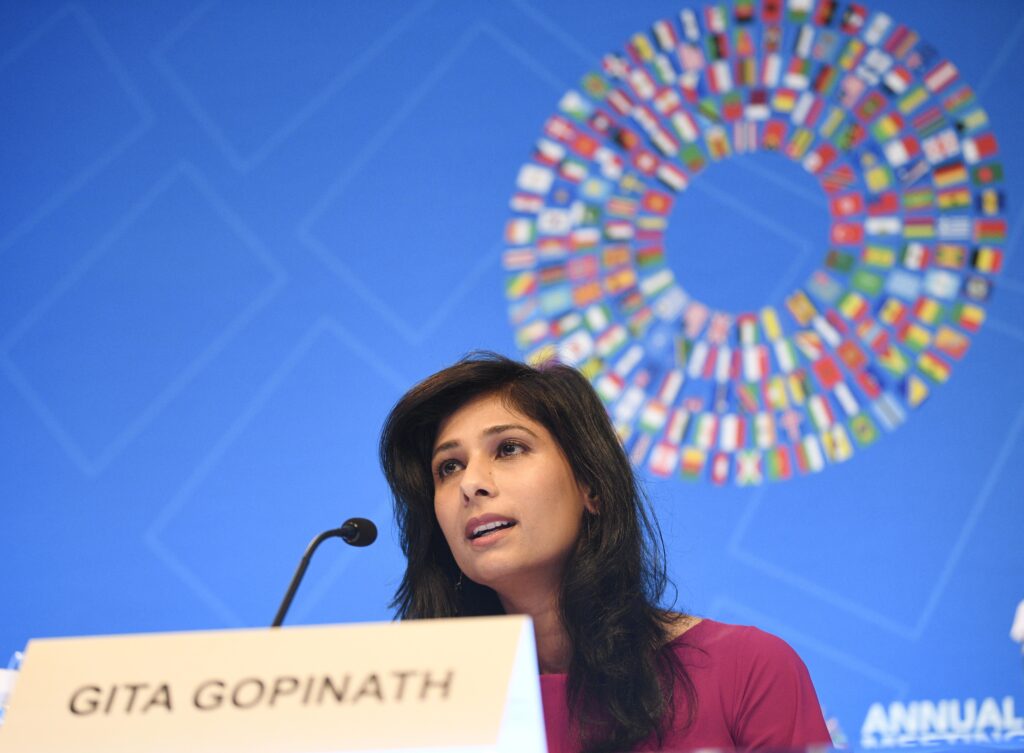
Women are no longer situated at the outer edge of global economic decision-making. They are steering it effectively, as seen in the strategies and policies implemented by women like Gita Gopinath (US economist and former Managing Director of the IMF), Ursula von der Leyen, and Sheryl Sandberg (US business executive known for serving as COO of Meta Platforms). Kristalina Georgieva, the first person from Eastern Europe to lead the IMF, has repeatedly said that “when women do better, economies do better.” Her comment clearly interconnects gender parity with GDP growth.
Even though there are hopeful advancements, research by the World Economic Forum highlights a paradox. Women across the world represent a major proportion of university graduates, but their presence remains limited in senior leadership roles. This is not due to capability gaps, but rather limitations related to sponsorship and executive networks. Data from UNESCO also indicates that women account for less than one-third of researchers worldwide, particularly in STEM fields. Only through institutional and structured mentorship and sponsorship programmes can this challenge be addressed, making women better equipped in areas such as skill development, investment in STEM education and fintech literacy. Young women must be nurtured to come to the forefront and lead in emerging sectors, including AI and related fields.